
Live football scores are one of the most visited sections on sports websites worldwide, especially during major matchdays that involve multiple competitions at the same time. For fans, accuracy and timeliness of score updates are critical, as a goal update that appears seconds too late can mean missing a crucial moment, a lost fantasy point, or confusion when tracking results on pages such as www.fifadata.com/kqbd/. Platforms that excel in real time score delivery must balance speed with precision, which is no small technical challenge.
In this article, we take an in depth look at how Fifadata handles live football scores, covering everything from data sourcing and processing to user interfaces and verification processes. We will explore the core systems that power Fifadata’s score delivery, explain how live scores are verified for accuracy, and examine real world benefits for users.
What Makes Live Football Scores Accurate and Reliable?
Before diving into Fifadata specifically, it helps to understand what defines an accurate live score. Accuracy in this context means that the score and related match events – such as goals, cards, substitutions, and final status – match official match reports released by leagues or governing bodies. Most major data providers use a combination of official feeds from leagues and automated data pipelines to ensure precision.
Many traditional broadcasters and score services rely on human analysts or automated pipelines feeding from entities like Opta or real time statistical services, which then distribute data to media organizations or apps. For example, historical systems like the Football Live service distributed live match data to TV broadcasters with minimal delay in the early 2000s .
How Fifadata Sources Match Data
Fifadata aggregates live football data from multiple verified sources to ensure both depth and accuracy. According to features listed on its official site, Fifadata provides comprehensive football data including more than 5,000 global competitions and detailed results across leagues, tournaments, and cups .
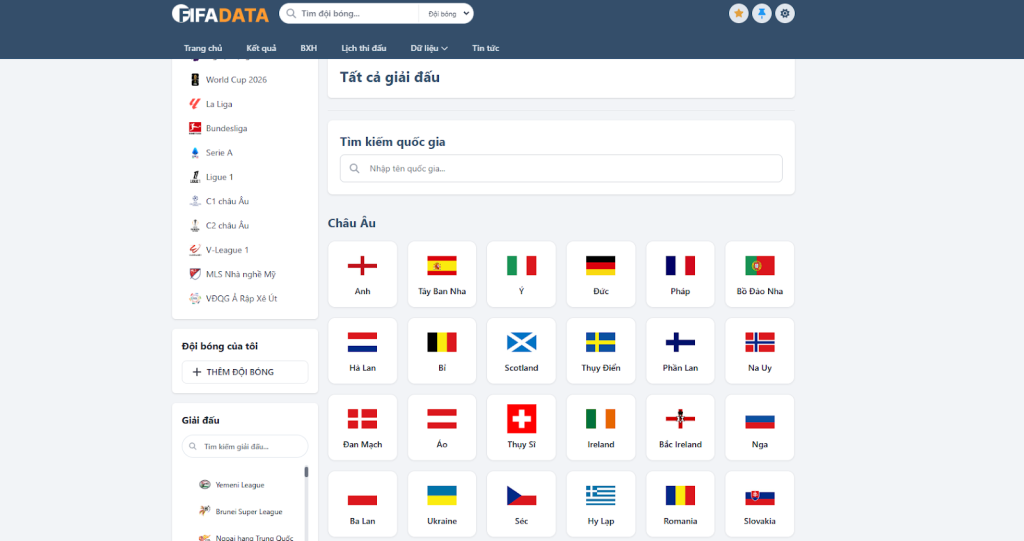
FIFADATA includes 5,000 global competitions and detailed results across leagues
To handle this vast scope, the platform uses a mix of data feeds from official league partners and third party sources, combined with proprietary systems that filter and cross reference incoming match events to avoid discrepancies. This method reduces the risk of reporting incorrect scorelines or mismatches between platforms.
As a result, users can trust that a goal reported on Fifadata reflects the match outcome consistent with how official match authorities record it, which is especially important when tracking matches in real time.
Real Time Processing and Update Flow
At the heart of Fifadata’s live score handling is a real time processing pipeline designed to minimize delay without sacrificing verification. According to platform information, data is updated within an approximate 0.3 second window from event occurrence to display, even during high traffic periods .
The update flow typically works as follows:
- Data Ingestion – match events are received from multiple verified data streams.
- Cross Reference – events from different sources are compared and validated.
- Event Timing – precise timestamps ensure correct sequencing of goals and cards.
- Real Time Display – verified events are pushed to the live interface without requiring manual page reloads.
This layered approach helps ensure that users see scores that are both fast and accurate. Real time processing also minimizes the chance of showing incorrect or outdated information, which can happen if a single data feed is used without verification.
Fifadata’s real time live score dashboard displaying verified football match events from multiple leagues.
User Interface and Presentation of Scores
Fifadata’s interface is designed to make live football scores easy to read and understand at a glance. Users visiting the dedicated live results section can track multiple matches simultaneously, as all active games are updated in real time without the need for refreshes .
The layout presents essential match details such as team names, current score, match status (e.g., HT, FT, ET), and a timeline of key events. Color coding and icons help differentiate match events quickly, especially for users following dozens of fixtures at once.
This clarity of presentation contributes to accuracy in another sense: it reduces misinterpretation by users. Clear displays make it easier for fans to interpret live scores correctly, without misunderstanding whether a goal was counted or if a match is in extra time.
Verification and Error Handling
A critical part of any live score system is how errors are detected and resolved. Fifadata’s approach includes cross referencing data from multiple feeds and applying logic checks that detect anomalies – for example, contradictory events from two sources or unexpected score changes.
Error handling systems flag inconsistent data for review before it is displayed publicly. This reduces the risk of showing incorrect scores, an issue that can occur when a single data provider or unverified source is used. The integration of multiple data pipelines means that a sudden glitch in one source may be mitigated by fallback data streams.
This robust verification layer ensures that users receive the most reliable match updates possible – a major differentiator for serious fans and analysts who cannot rely on raw or unverified live feeds.
Beyond Scores: Additional Data Layers
Fifadata does not just report live scores; it also integrates additional match data such as standings, schedules, and historical performance. According to its official documentation, the platform includes tables, filters for match days, and detailed match history that power deeper insights .
The combination of live score accuracy with broader context helps users understand the implications of live events – for example, how a goal affects league standings or head to head comparisons. This holistic data ecosystem enhances user confidence that not only the score but related match insights are trustworthy.
Accessibility and Multi Platform Presence
In addition to real time score delivery on the main website, Fifadata extends its presence to multiple platforms, including social media channels such as TikTok, where fans can catch live snippets, short score updates, and match highlights in bite sized formats. This expanded presence provides fans with diverse ways to engage with live football data beyond traditional web interfaces.
Why Accuracy in Live Scores Matters
Accurate live scores serve a wide audience: fans following matches in real time, fantasy football players tracking performance points, betting enthusiasts waiting on goal confirmations, and journalists reporting match outcomes. Errors or delays not only lead to poor user experiences but can cause misinformation to spread rapidly.
By taking a structured verification approach, combining multiple data sources, and presenting verified data in real time, Fifadata ensures that users get live score updates that are correct and trustworthy – not just fast.
Verified live football scores build trust and allow fans to follow matches with confidence, reducing the risk of misinterpretation or misinformation.
Final Thoughts
Fifadata’s live football score handling demonstrates how modern data systems must balance speed with accuracy. Through real time processing, data cross referencing, and strong presentation design, the platform aims to deliver match scores that truly reflect official results.
Whether you are tracking a late night European fixture or multiple matches across global competitions, understanding how Fifadata handles live score data helps explain why many fans rely on the platform for trusted football information.