
For many years, Asian football was often regarded as the “underdog” when stepping onto the World Cup stage. However, recent tournaments have shown a clear transformation, both in technical quality and tactical thinking. Shocking victories against European and South American giants are no longer rare incidents; instead, they have become evidence of systematic investment and long-term strategies adopted by many footballing nations in the region.
This progress has not only changed the perception of football experts but has also caused noticeable fluctuations in Kèo Nhà Cái betting markets whenever Asian representatives take to the field. The question now is: Is this rise enough to turn the World Cup into a stage for a new historic breakthrough?
From “Filler Teams” to Formidable Opponents
In the past, most Asian teams entered the World Cup with the modest goal of advancing beyond the group stage. Gaps in physicality, pace, and international experience often left them struggling against football powerhouses.
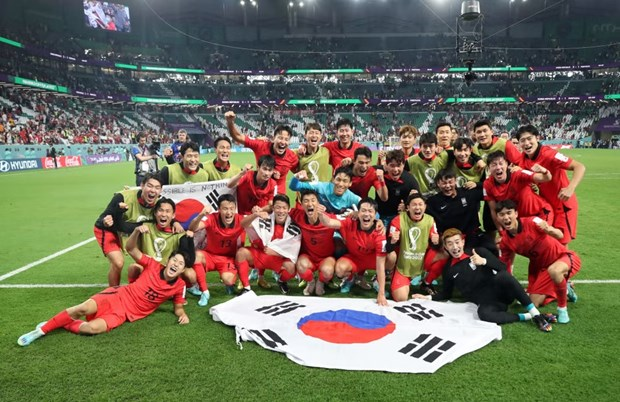
In recent years, however, many Asian national teams have proven they are no longer easy opponents. Japan, South Korea, Iran, and Saudi Arabia have all delivered impressive performances against the world’s top teams. Some have even defeated reigning champions or title contenders, creating major shocks at the tournament.
This change stems largely from the growing number of Asian players competing in Europe, gaining experience in elite football environments. As a result, they step onto the world’s biggest stage with far greater confidence.
Long-Term Investment Strategies Building a Solid Foundation
One of the key factors behind the development of Asian football is systematic investment in youth training and infrastructure. Many countries have established modern football academies and cooperated with international experts to improve coaching quality.
At the same time, domestic leagues have been restructured to increase competitiveness. A stronger local football environment allows players to develop more comprehensively, both technically and physically.
The role of foreign coaches should not be overlooked. They bring modern tactical thinking and professional management methods. This combination of local resources and international expertise has laid a solid foundation for Asia’s ambition to go further at the World Cup.

Advantages in Speed, Discipline, and Team Spirit
Compared to other regions, Asian football stands out for its disciplined playing style and ability to maintain high intensity throughout matches. National teams often emphasize collective cohesion rather than relying on individual stars.
Speed in transitional play is another notable strength. Quick counterattacks, one-touch passing, and intelligent movement have enabled Asian teams to surprise opponents who may be physically stronger.
This scientific approach and relentless fighting spirit have helped many Asian teams maintain balance against football giants, rather than resorting solely to passive defending as in the past.
Challenges Still Lie Ahead
Despite many positive signs, Asian football still faces significant challenges if it hopes to progress deep into the World Cup. The lack of squad depth compared to traditional powerhouses remains an issue. In knockout stages, experience and mental resilience often prove decisive.
Psychological pressure is another major obstacle. Facing historically successful teams can affect the confidence of younger players at critical moments. Therefore, mental preparation and tactical readiness must be given equal importance alongside technical ability.
In this context, many experts making betting predictions have begun to rate Asian teams more highly for their potential to cause upsets, rather than automatically placing them as underdogs as before.
An Expanded World Cup – A Golden Opportunity for Asia?
The expansion of the World Cup in future editions is seen as a major opportunity for Asian representatives. With more qualification slots available, the chances of seeing stronger Asian teams at the finals will increase.
This not only enhances competition within the continent but also provides more young players with exposure to elite-level football. If used effectively, this opportunity could mark a historic turning point for Asian football.
However, opportunities only become advantages when accompanied by nhận định kèo nhà cái thorough preparation. Long-term strategies, youth development, and maintaining consistent performance must all be implemented in a coordinated manner.
The Potential for a Historic Breakthrough in the Near Future
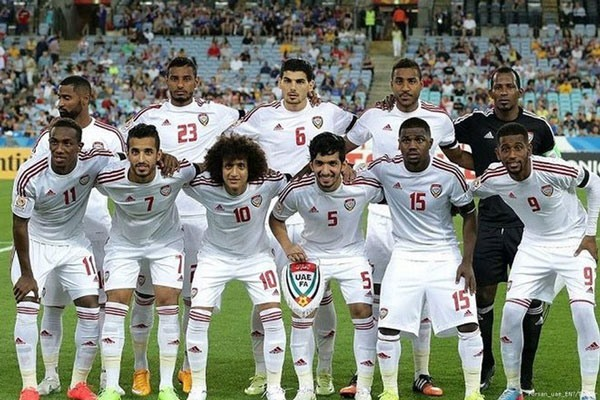
Looking at the past decade, it is clear that Asian football is on the right path. Victories over major teams are no longer a matter of luck, but the result of sound tactics and clear technical progress.
If this momentum continues, the prospect of an Asian team reaching the semifinals—or even the final—of a World Cup is no longer unrealistic. The key lies in maintaining stability and belief in the chosen path.
A new generation of players, equipped with solid technical foundations and modern footballing minds, is ready to write the next chapter for the region. Confidence, fighting spirit, and the desire to prove themselves will be the keys to opening the door to history.
Conclusion
Asian football is entering a period of strong development, marked by positive signs in both technical performance and long-term strategy. Impressive displays at recent World Cups show that the gap with traditional powerhouses is gradually narrowing.
Although challenges remain, with structured investment, disciplined mentality, and the maturity of a new generation of players, the opportunity to make a mark on the World Cup stage is entirely achievable. This rise not only brings pride to the region but also contributes to a more balanced and exciting global football landscape in the years to come.