
What is a goal kick in football? This is a common question among viewers when the ball goes over the goal line but the referee awards a goal kick instead of a corner kick. According to Law 16 of the IFAB Laws of the Game, a goal kick is awarded to the defending team if the ball goes out of play after last touching an attacking player and no goal is scored xem trực tiếp bóng đá . When watching live football, fans can also observe how teams restart play from their own penalty area to better analyze match tactics and betting odds.
When Is a Goal Kick Awarded?
To fully understand what a goal kick is in football, one must determine which player touched the ball last before it completely crossed the goal line and whether a goal was scored.
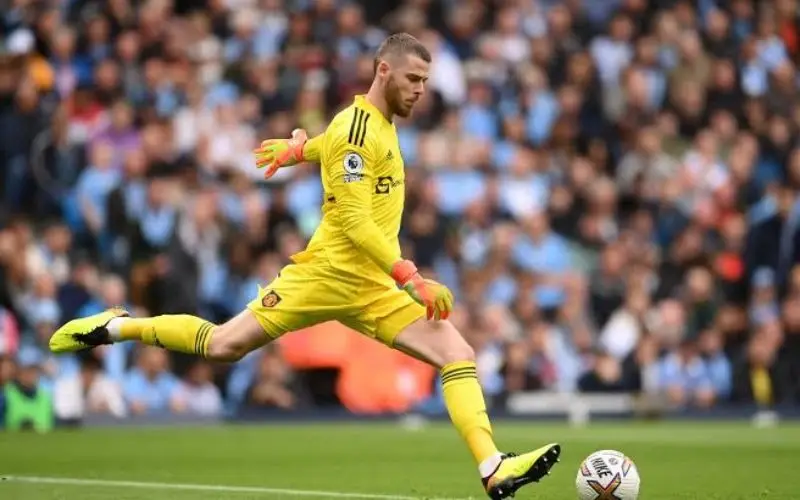
The Ball Must Completely Cross the Goal Line
IFAB regulations state that a goal kick is awarded when the whole ball passes over the goal line, whether on the ground or in the air, and a goal is not scored. Therefore, the referee will only stop play once the entire ball has crossed the boundary line.
The Attacking Team Touched the Ball Last
Another key requirement is that an attacking player must be the last person to touch the ball before it goes out of bounds. If a defending player touches it last, play is restarted with a corner kick. This distinction makes it easy to differentiate between a goal kick and a corner kick.
No Goal Is Scored
If the ball passes over the goal line between the goalposts and under the crossbar legally, a goal is awarded instead of a goal kick. Viewers watching live football matches must distinguish between the area inside the goal frame and the rest of the goal line to understand the referee’s decisions.
How to Execute a Goal Kick Correctly
A goal kick does not necessarily have to be taken by the goalkeeper. Any player on the defending team can restart play, provided they follow proper procedures.
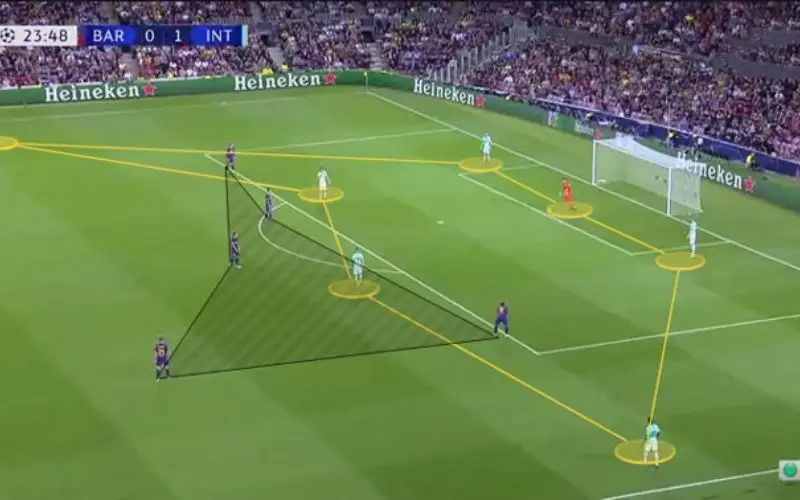
Placing the Ball in the Goal Area
According to Law 16, the ball must be stationary and can be placed anywhere within the goal area (six-yard box) before being kicked. This means the player does not have to place the ball in a fixed corner. The choice of placement usually depends on the team’s build-up strategy.
The Ball Is in Play Immediately When Kicked
Under current rules, the ball is in play as soon as it is kicked and clearly moves. The ball no longer needs to leave the penalty area before being touched, allowing teams to make short passes inside their own box to build play from the back.
Opponents Must Stay Outside the Penalty Area
Opposing players must remain outside the penalty area until the ball is put into play. Fans watching live football often notice high-pressing teams positioning themselves right along the edge of the penalty box to apply pressure as soon as the ball starts moving.
Special Goal Kick Situations
Understanding a goal kick involves more than just how it is taken—it also includes specific rules regarding direct goals, double touches, and opposing players inside the box.
Direct Goals Can Be Scored
IFAB allows a goal to be scored directly from a goal kick against the opposing team. However, if the ball goes directly into the kicker’s own goal, a goal is not awarded; instead, the opposing team receives a corner kick.
No Double Touch by the Kicker
Once the ball is in play, the kicker cannot touch the ball a second time before it touches another player. If an ordinary violation occurs, an indirect free kick is awarded to the opponent. If the second touch is a handball offense, the penalty depends on the position and the player involved.
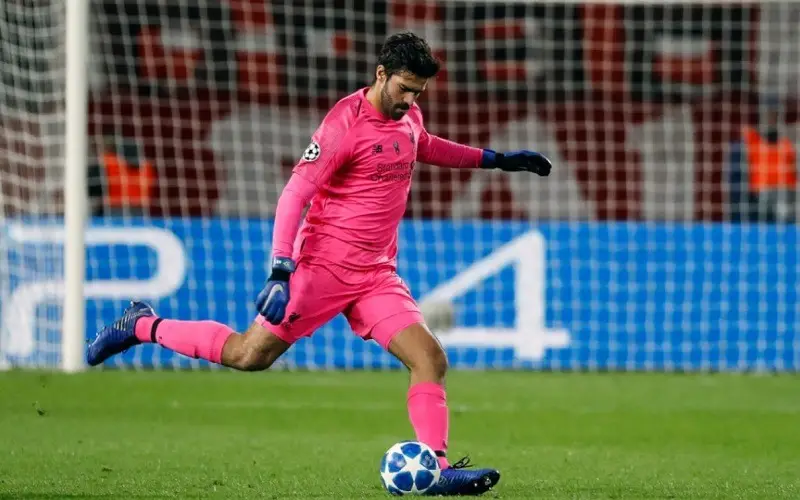
Attacking Players Remaining in the Penalty Area
If opponents are still inside the penalty area because they did not have time to leave before a quick goal kick was taken, the referee may allow play to continue. However, if a player deliberately stays inside to gain an unfair advantage, the goal kick may be retaken.
New Time-Wasting Rules for Goal Kicks
The 2026/27 rules introduce a 5-second countdown mechanism when the referee notices a team intentionally delaying the restart of play. This rule aims to reduce dead time during matches.
The Referee Initiates a 5-Second Count
If a player is clearly wasting time, the referee will blow the whistle, signal, and begin counting down 5 seconds using hand signals. This rule is applied judiciously rather than automatically to prevent unfair delays.
A Corner Kick Is Awarded Upon Expiration
If the goal kick is not taken within 5 seconds, the opposing team is awarded a corner kick. This significant change in Law 16 starting in the 2026/27 season makes late-game time-wasting much riskier.
No Automatic Yellow Card
A player does not automatically receive a yellow card simply for exceeding the 5-second limit. IFAB specifies that a caution is only issued if the player continues excessive delay after the corner kick has already been awarded to the opposition.
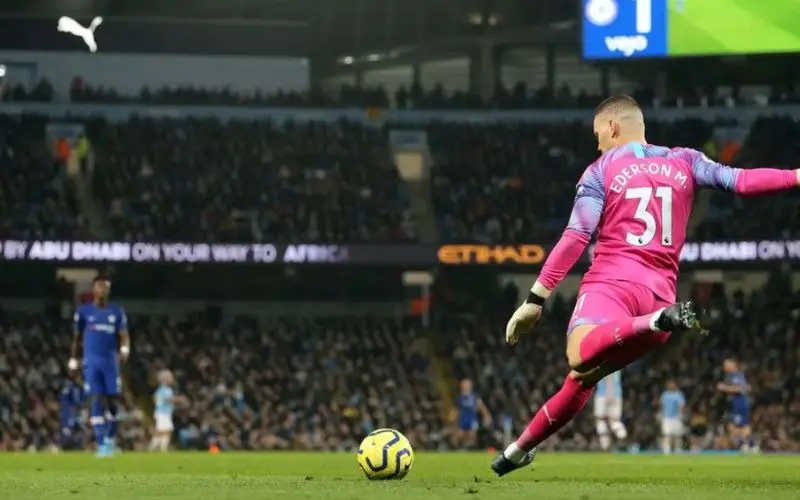
Conclusion
Understanding what a goal kick is in football helps fans distinguish a goal kick restart from a corner kick and track how play resumes after the ball crosses the goal line. The ball must be placed in the goal area, becomes in play when kicked and clearly moved, and opponents must remain outside the penalty area at the moment of execution. Knowing these rules—along with special scenarios like quick restarts, double touches, tỷ lệ kèo bóng đá or time-wasting penalties—enhances the viewing experience when following live football matches and betting options.